CPA for Industrial Electricians in NC & SC

Industrial Electrical Contractor Accounting

Job costing, WIP reporting, tax planning & CFO support for industrial electrical contractors across the Carolinas.
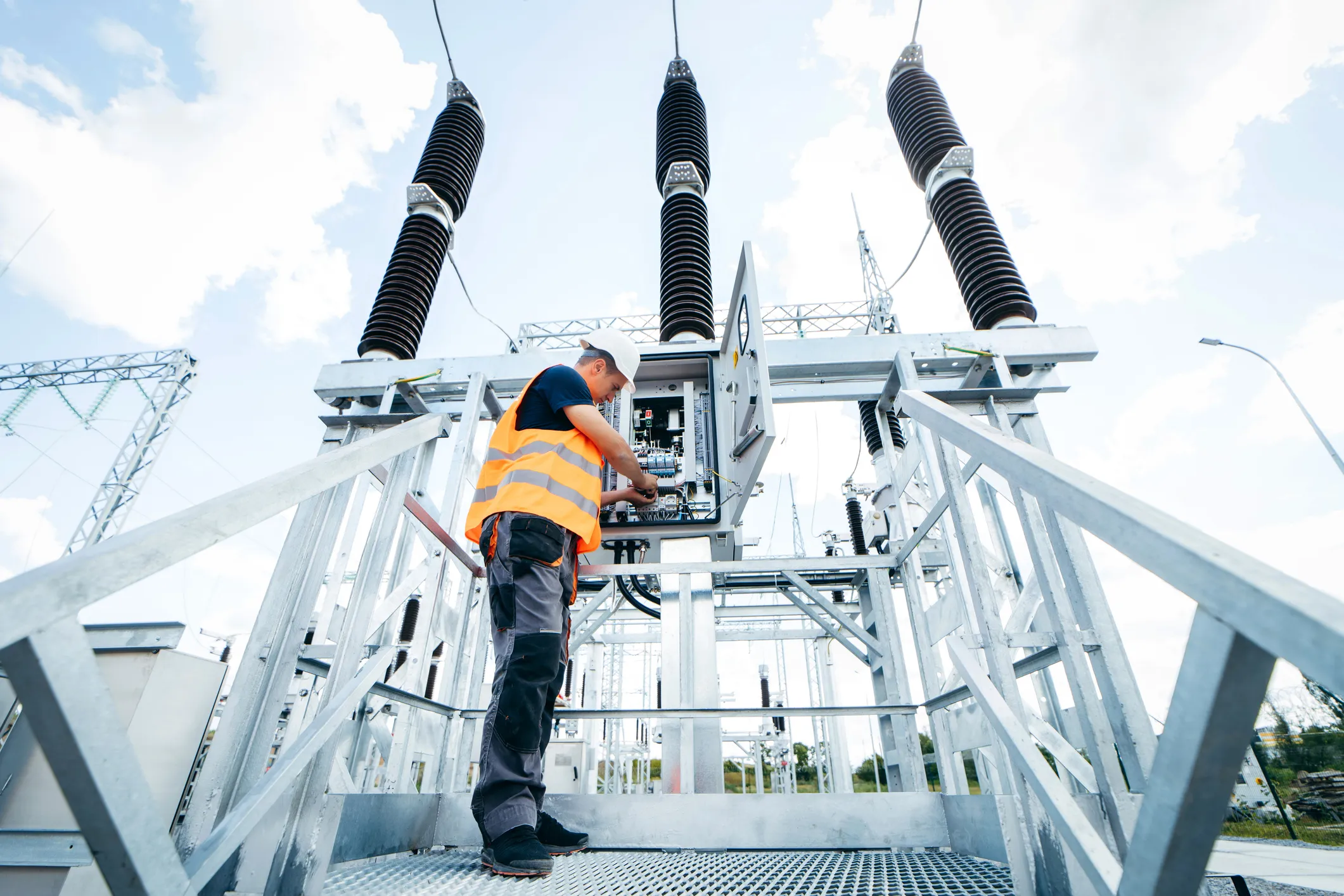
Electrical contractor working on a substation structure

CPA for Industrial Electricians in NC & SC

Get Lowered Taxes, Perfect Books & Scale

Accounting for Industrial Electrical Contractors

Division 26 CPA serves as the outsourced accounting department for industrial electrical contractors across North and South Carolina - the shops wiring plants, warehouses, data centers and manufacturing facilities along the I-85 corridor. We keep your books bond-ready, your WIP accurate and your tax bill low, so you can focus on winning and running bigger projects.

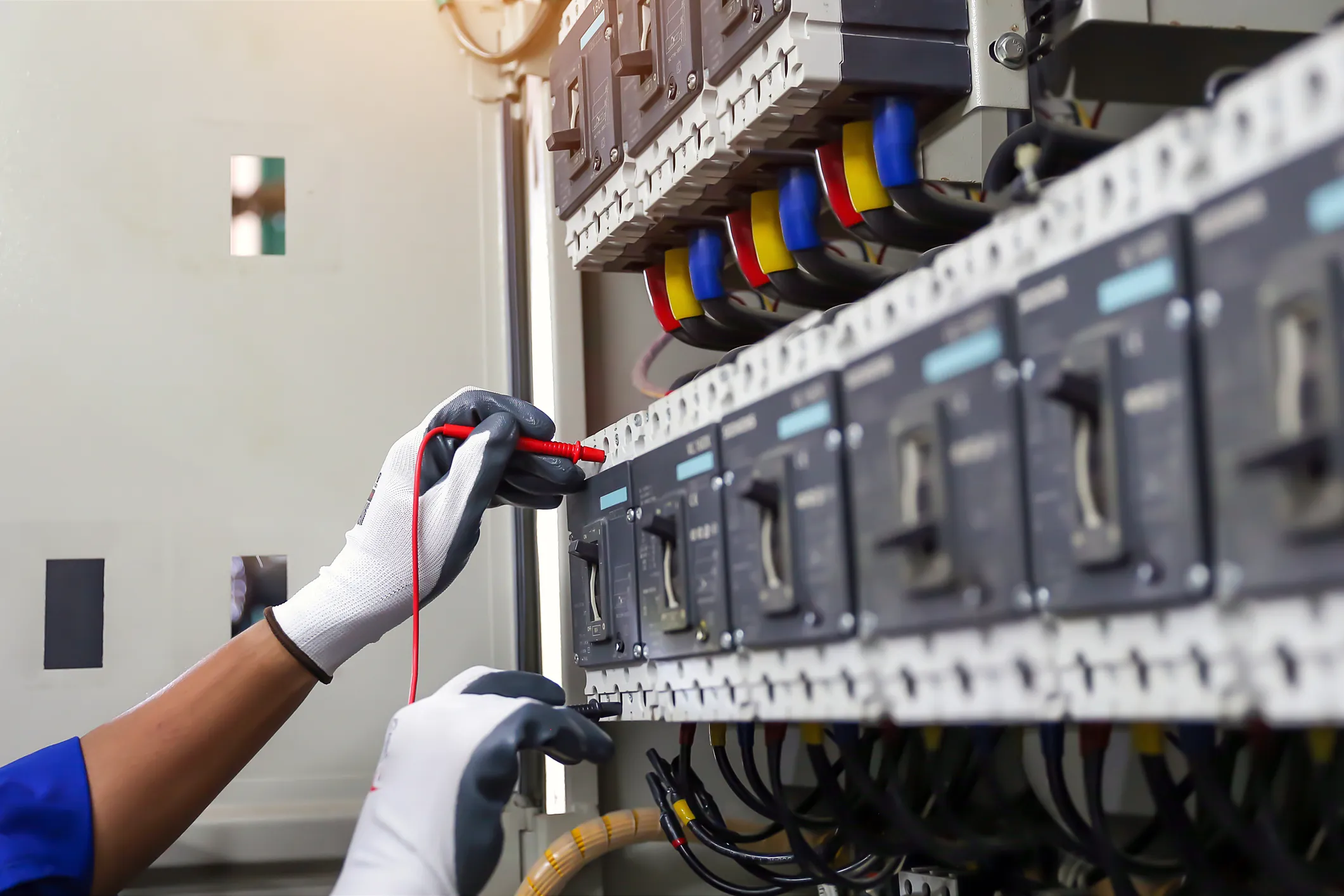
Technician working on electrical control wiring

Never Overpay Tax Again

Are You Doing Everything Possible to Reduce Taxes?

Get a Second Opinion!

Book a no-cost tax strategy call where we'll analyze your tax return & accounting to find opportunities to reduce taxes.

CPA for Industrial Electricians in NC & SC

Do Everything Possible to Reduce Tax

Save Thousands a Year in Tax

We work alongside your electrical contracting company, throughout the year, to identify and implement every possible tax loophole and mitigation strategy.
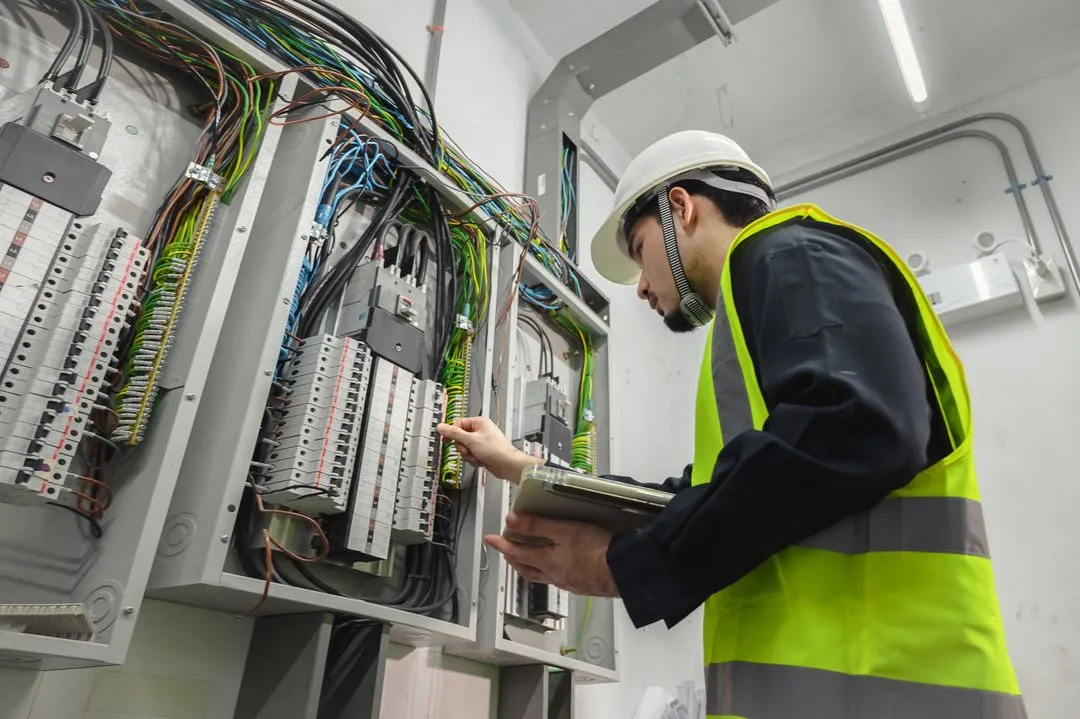
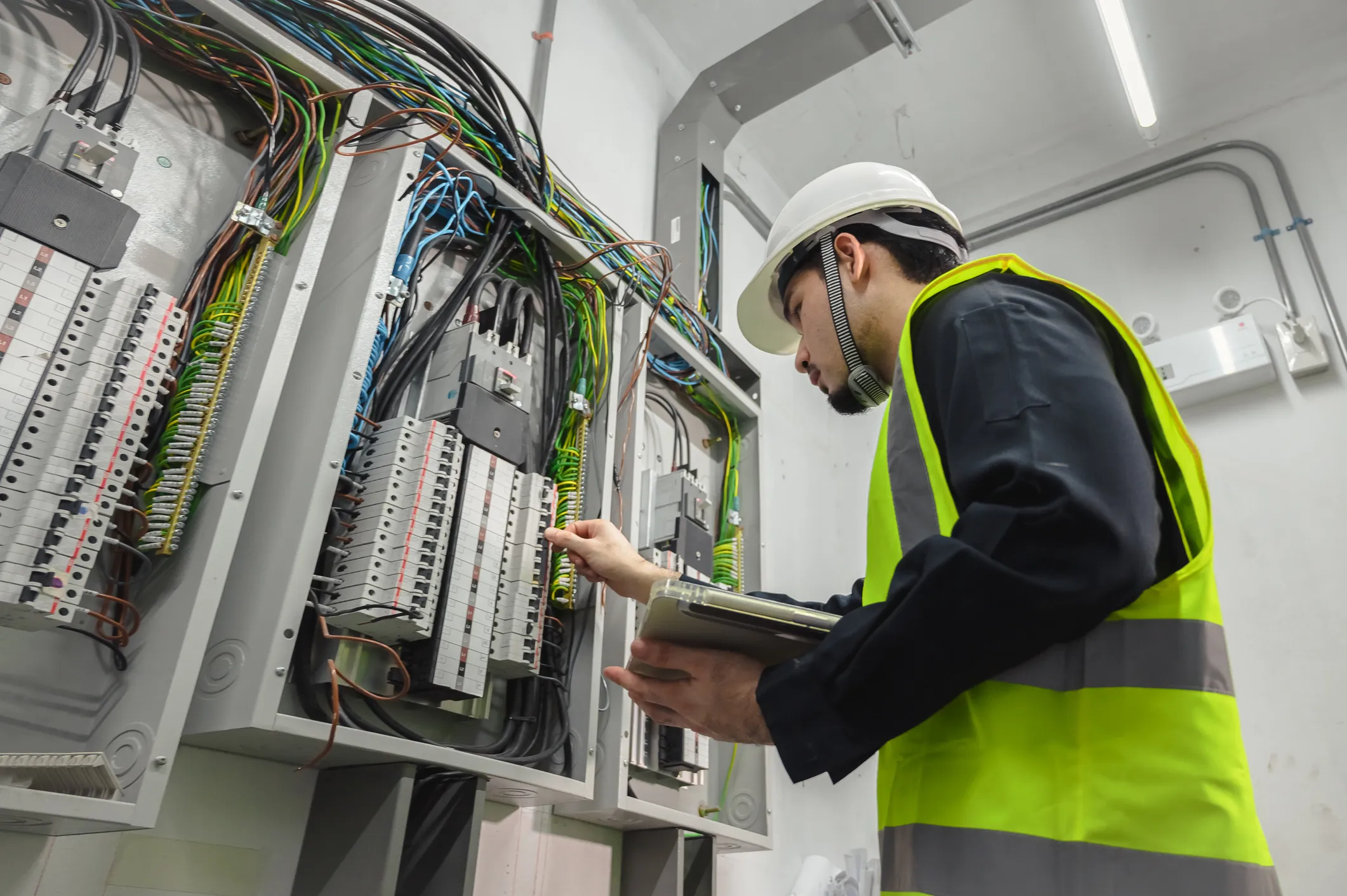
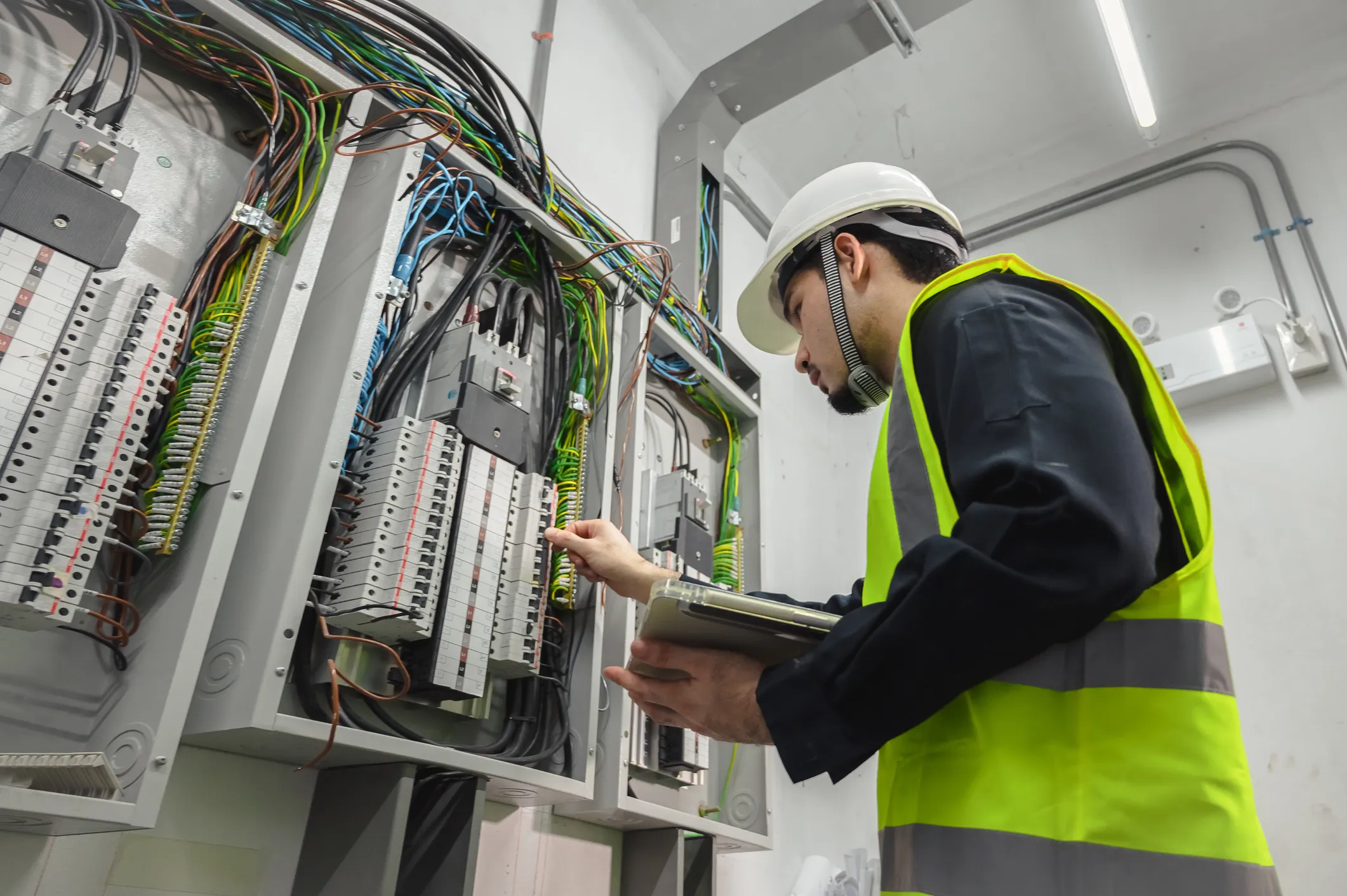
Electrician inspecting a distribution panel with a tablet

Division 26 CPA | Charlotte | Matthews | Rock Hill

What Makes Our Accounting
Service Stand Out?

Maximize Your Tax Savings with Pro-Active Strategies

Lower Taxes by the Thousands

Throughout the year, we'll identify and implement aggressive tax reduction strategies so you never overpay.

We'll Do It Right The First Time

Every week we'll keep your bookkeeping up to date, done to perfection, while building the foundation to scale & grow.

Avoid Hiring Unnecessary Staff

Our outsourced team will handle the accounting & bookkeeping, so you can reduce administration costs.

Avoid Costly Mistakes

Don't get caught up in audits or red tape because you're making mistakes. We're highly trained Certified Public Accountants that carefully avoid mistakes.

Super Responsive Service

You deserve prompt service when you call, and we'll also have pro-active communication throughout the year.

We're Never Too Busy

Typical accountants get so busy helping individuals, that they can't provide in-depth, hyper-focused service to small business. We're completely focused on entrepreneurs & businesses.

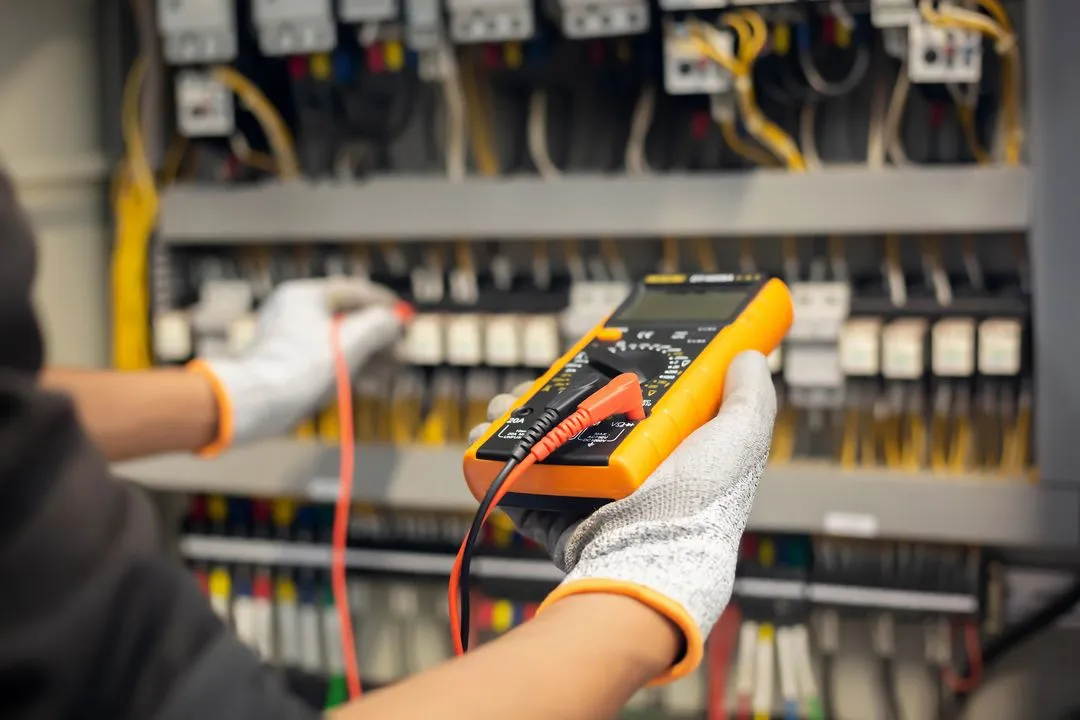
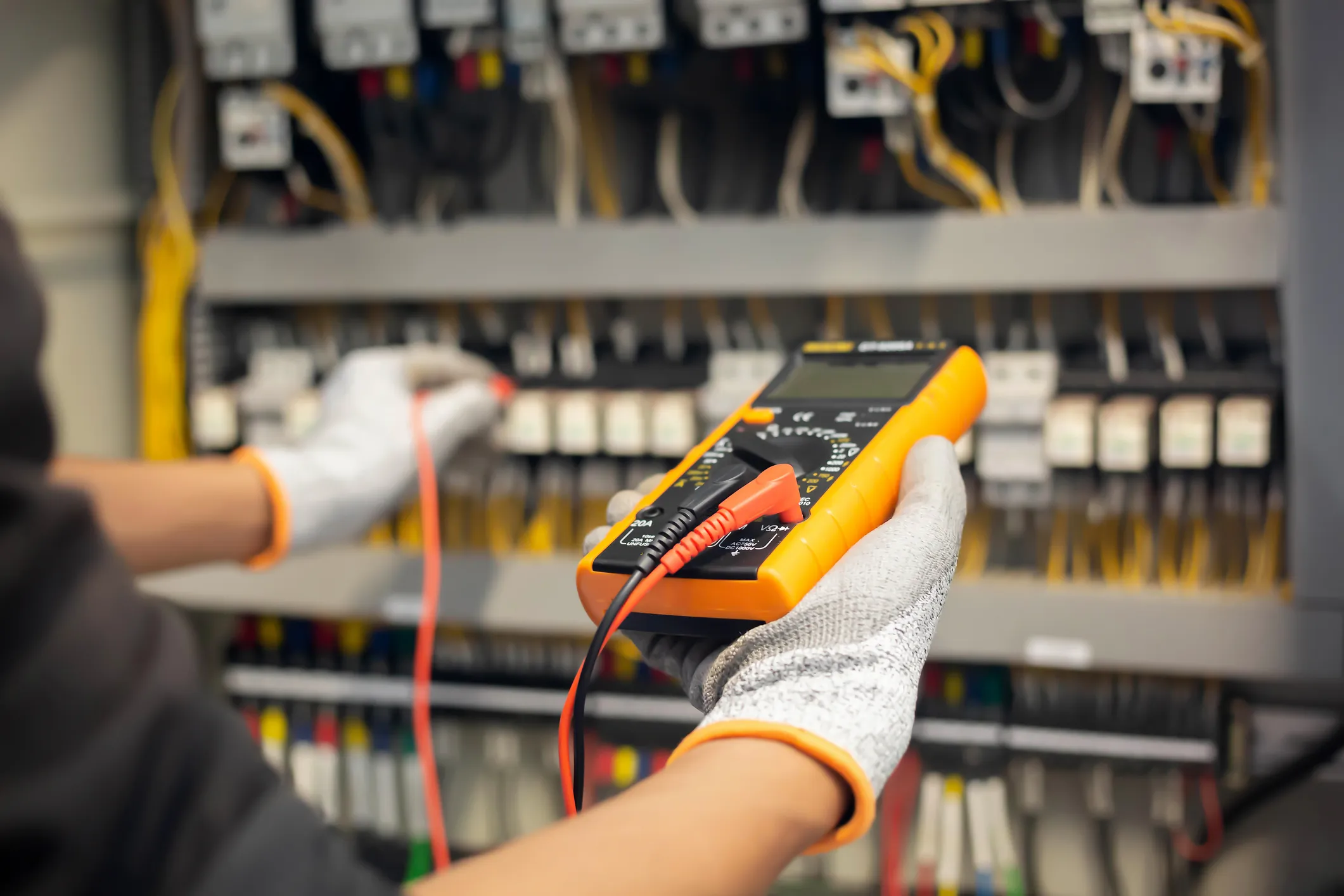
Electrician testing a panel with a multimeter

Industrial Electrical Bookkeeping Done Right

Improve Cash Flow & Bondability

Long industrial projects tie up cash in materials, labor and retainage. Our bookkeeping for industrial electrical contractors delivers accurate job costing, clean WIP reporting and financial statements sureties trust - so your bonding capacity grows with your backlog instead of holding it back.

CPA for Industrial Electricians in NC & SC

Bonding & WIP-Ready Financials

Built for Bonded & Prevailing-Wage Projects

Industrial work means bigger jobs, retainage and bonding requirements. We keep the job costing, WIP schedules and clean financial statements your surety and prevailing-wage projects demand - so paperwork is never the reason you can't bid a job. See our bonding & surety support.

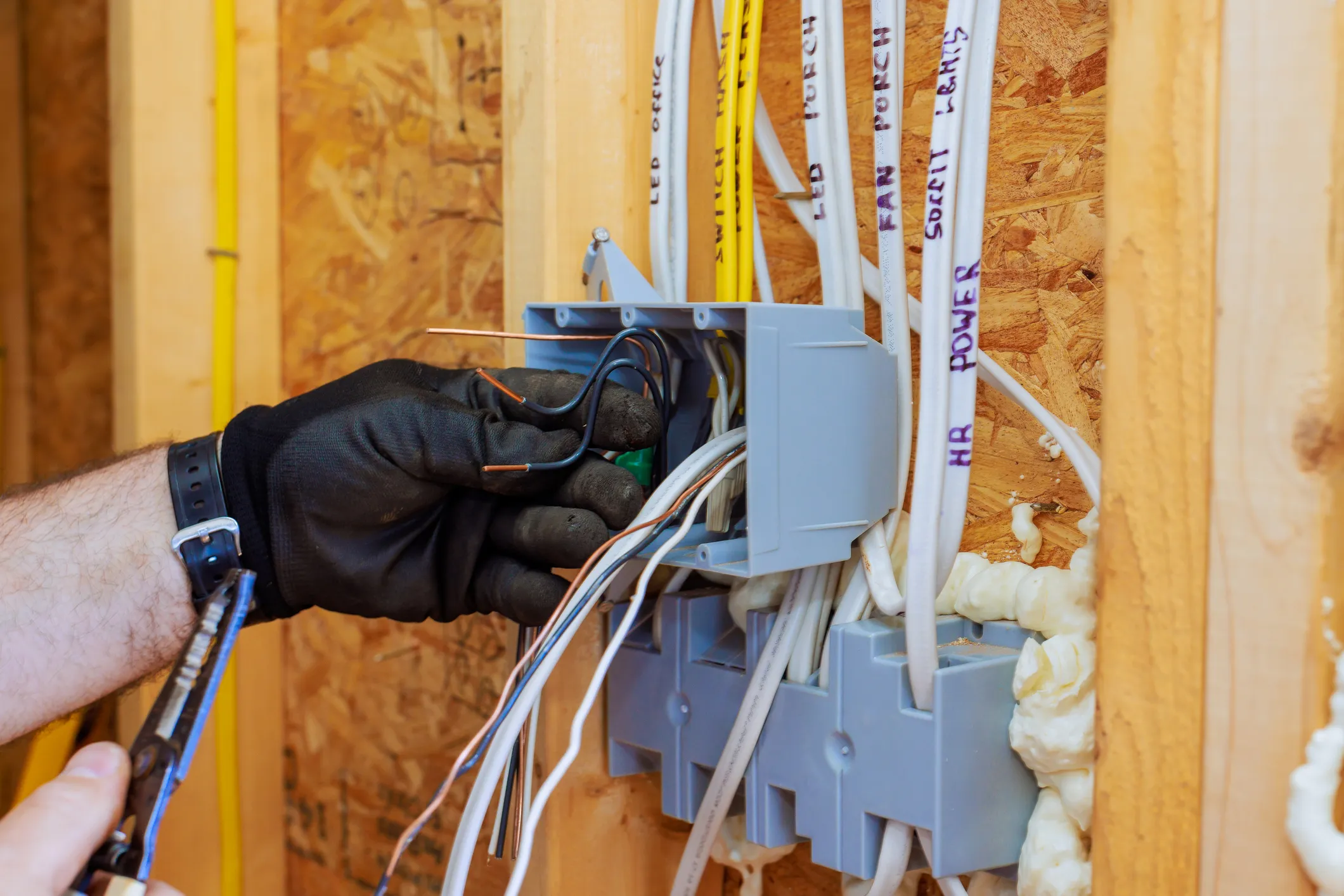
Electrician wiring an overhead commercial build-out

Get Back to Business & Let Us Handle the Books

Maximize your time and productivity by entrusting your accounting & bookkeeping needs to our team of experts. We'll keep your finances in order while you focus on growing your business.

electrical contractor CPA Tax Bookkeeping & Accounting

Everything an Electrical Contractor Needs, in One Place

Built exclusively for electrical contractors in NC and SC, our tax, accounting, payroll and bookkeeping all work together in one engagement — so your books stay clean, your taxes stay low, and nothing falls through the cracks.

CPA for Industrial Electricians in NC & SC

Bookkeeping for Industrial Electrical Contractors

Accounting Built for Plants, Facilities & Heavy Commercial Work

Division 26 CPA is an accounting firm that works exclusively with electrical contractors in North and South Carolina - including industrial shops handling plant maintenance, facility build-outs, controls and automation, and heavy commercial projects.

Accurate, timely bookkeeping is the foundation of an industrial contracting business: multi-month projects, progress billings, retainage and big material buys all have to land in the right job, in the right period.

Our weekly bookkeeping keeps every project costed in QuickBooks Online - synced with your field software - so you always know where each job stands from mobilization to final retainage release.

Working with Division 26 CPA, you get:
  • job costing and WIP reporting per project
  • progress billing and retainage tracking
  • bond-ready financial statements
  • a monthly close you can take to your surety or banker
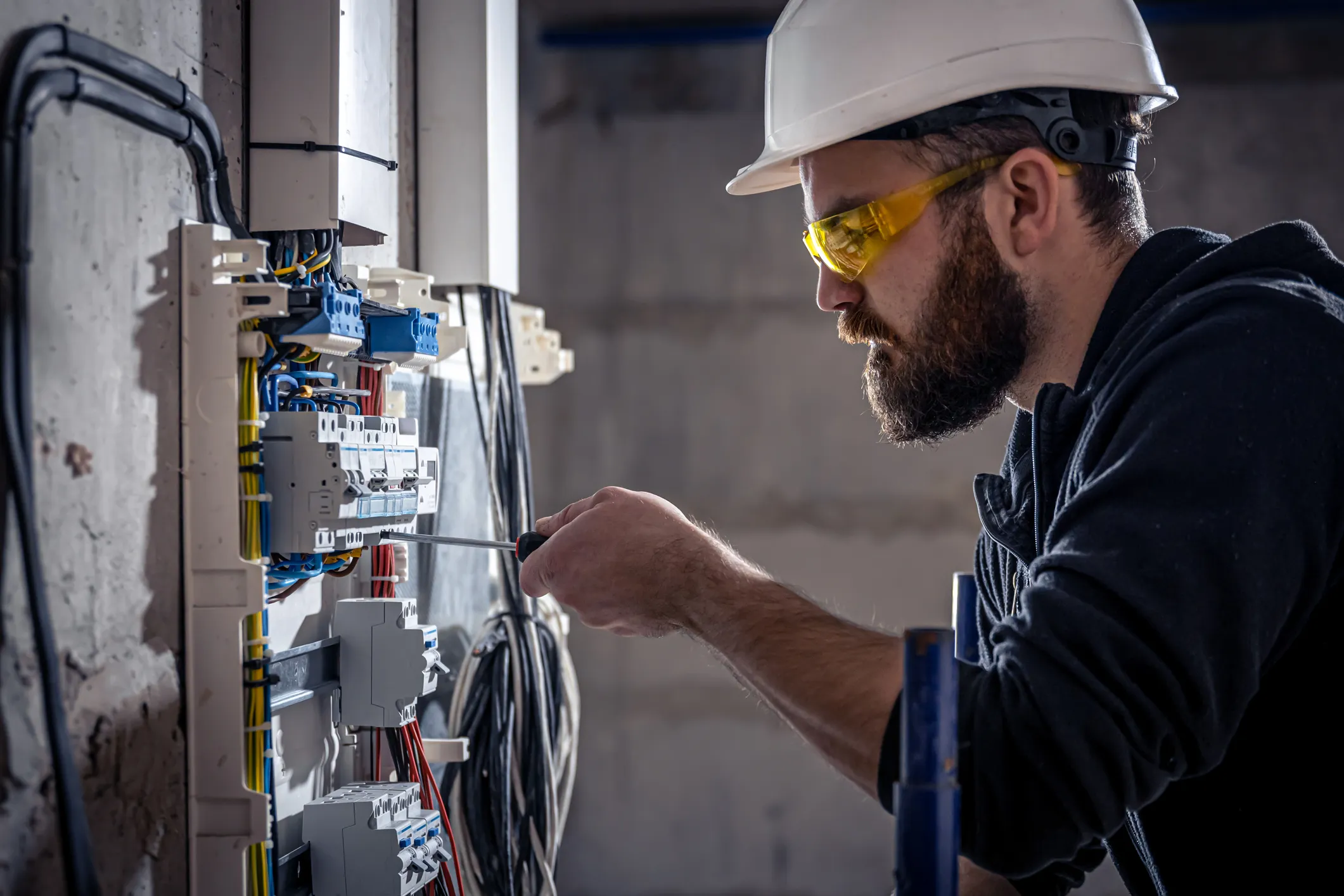
Electrician working on an electrical panel

book a tax strategy call

We Fight to Reduce Taxes & Scale Your Business

Don't let taxes hold your business back.
Let us fight for you and create a customized plan
to reduce your tax burden and drive growth.

CPA for Industrial Electricians in NC & SC

CPA Tax Accountant for Industrial Electricians

Tax Strategy for Equipment-Heavy, High-Revenue Shops

If you're looking for a CPA who understands industrial electrical contracting, we'd be honored to earn the work. Division 26 CPA builds year-round tax plans around the way industrial shops operate: Section 179 and bonus depreciation on trucks, lifts and test equipment; S-corp structure and reasonable compensation; retirement plans that shelter profit; and quarterly estimates matched to lumpy, milestone-driven cash flow.

We also prepare and file your business tax returns - federal, North Carolina and South Carolina - accurately and on time.

Most industrial electrical contractors we meet are overpaying tax by thousands. A plan fixes that.
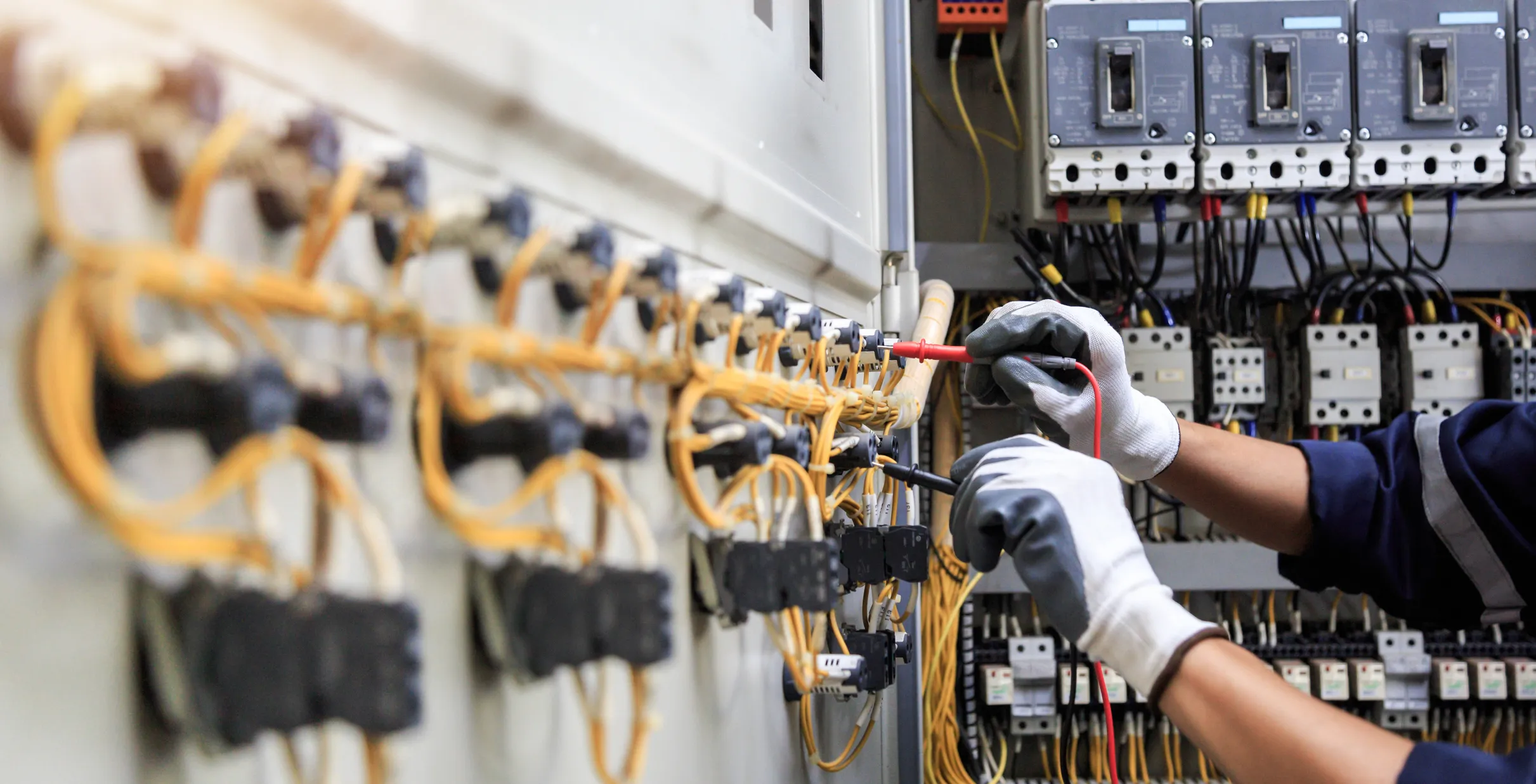
Technician working on electrical control wiring

Tax Accountant near Charlotte NC

We love serving
North Carolina
small businesses.

We are proud to serve the diverse communities across North Carolina. From small towns to bustling cities, our team is dedicated to providing exceptional accounting services and supporting local businesses in achieving their financial goals. Together, we contribute to the growth and prosperity of North Carolina communities.

Blue Ridge Mountains in autumn across the Carolinas

CPA for Industrial Electricians in NC & SC

Electrical Job Costing & WIP Reporting

Become More Profitable & Lean

Our team keeps your bookkeeping done to perfection while building real job-costing muscle: labor, materials, equipment and overhead allocated per project, with work-in-progress reports that show over- and under-billings before they become cash problems.

Cash flow and CFO-level guidance round it out - forecasting your backlog, planning crew capacity, and keeping your bonding program growing. In North Carolina, electrical contractors are licensed through the NC State Board of Examiners of Electrical Contractors; in South Carolina, commercial and industrial work runs through the SC Contractors Licensing Board - and your financials will be ready whenever they're requested.

Division 26 CPA serves industrial electrical contractors across Charlotte, Greensboro, Raleigh-Durham, Greenville SC and the I-85 corridor. See how it works and book a consultation.
Electrical contractor working on a substation structure

Expert Guidance & Peace of Mind

Gain confidence and security with our expert guidance and accounting services. Experience the reassurance of having a trusted advisor by your side.

Small business owner reviewing finances on a laptop

FAQs

Looking for answers to common accounting, bookkeeping, and tax questions? Browse our frequently asked questions to find the information you need.

What are the payroll tax forms that a business needs to complete yearly?

Form NC-5

In North Carolina, all employees are required to complete the Employee's Withholding Allowance Certificate.

This form helps determine the amount of state income tax that should be withheld from their paychecks.

Form NC-3

It's used to report the total amount of state income tax that was withheld from employees' paychecks throughout the year.

The form is basically a summary of all the income tax that was taken out of employees' pay, and it helps the state keep track of how much money has been collected.

Form NC-4

Upon starting a new job, your employer will hand over a form to you, which requires certain personal details such as your marital status, the number of dependents and eligible deductions

This form helps your employer calculate the accurate amount of state income tax to be withheld from your paycheck

The main objective of this form is to ensure that you neither overpay nor underpay your state income tax during the year.

Form NCUI 101

Businesses are required to file this form every quarter to report the total amount of wages paid and the unemployment taxes owed.

The information on this form is used by the state to determine the amount of unemployment benefits that should be paid to eligible workers.

Form W-2

Form W-2 is a tax form that employers in the United States are required to give to their employees every year.

The form summarizes the amount of money an employee earned throughout the year and the taxes that were withheld from their paychecks.

Employers must provide Form W-2 to their employees by January 31st of the following year, and the employees must use it to file their income tax returns with the Internal Revenue Service.

How does an accountant different from a certified public accountant?

An accountant is a qualified expert who focuses on managing, categorizing, and interpreting financial data for individuals or organizations.

They deliver services such as bookkeeping, preparing financial statements, and filing tax returns.

A certified public accountant (CPA) is an accountant who has completed specific education, work, and test criteria to secure a license from a state board of accountancy.

Along with handling accounting duties, a CPA can conduct audits, examine financial statements, offer tax planning and consulting services, and represent clients before tax agencies like the IRS.

What are the strongest business industries in North Carolina?

North Carolina has one of the most diverse economies in the Southeast - construction and the skilled trades, advanced manufacturing, energy, technology, finance (Charlotte is the second-largest banking center in the US), healthcare and life sciences around the Research Triangle, and logistics along the I-85 corridor. For electrical contractors specifically, sustained construction and industrial growth across Charlotte, the Triad and the Triangle has created strong, steady demand for residential, commercial and industrial electrical work.

What are some typical methods that business owners in North Carolina use to lower their taxes?

Take advantage of tax deductions

Businesses can decrease their tax bills by utilizing tax deductions, which are expenses that businesses can subtract from their income, such as rent for office space, equipment purchases, employee salaries and benefits, travel expenses, advertising and marketing expenses, and charitable donations.

By accumulating and tracking these expenses throughout the year, businesses can enhance their deductions and decrease their taxable income.

For instance, if a business made $100,000 but had $20,000 in deductible expenses, their taxable income would reduce to $80,000, reducing their taxes.

It's crucial to note that businesses need to fulfill specific requirements to be eligible for tax deductions and that not every expense is deductible.

Use tax credits

Tax credits can be more advantageous than tax deductions since they directly reduce the amount of taxes a business owes.

Tax credits work as a dollar-to-dollar deduction in the tax amount.

For businesses in North Carolina, various tax credits are available if they do specific things, such as employing new workers, investing in sustainable energy, or undertaking research and development.

However, to be eligible for these tax credits, businesses must complete criteria and adhere to specific regulations.

Maximize retirement plan contributions

To save money on taxes, businesses can maximize their retirement plan contributions.

Employees may allocate a portion of their earnings to retirement plans, such as 401(k)s or individual retirement accounts (IRAs), which brings down their taxable income.

Likewise, employers can contribute to their staff members' retirement plans, which can be tax-deductible for the business.

By offering retirement plans and contributing to them, businesses can reduce their taxable income, ultimately minimizing the taxes they are liable to pay.

Keep track of inventory

Maintaining accurate inventory records is important for businesses to keep track of the products they have in stock.

It helps them avoid making errors while reporting excess inventory as income, which would result in paying more taxes.

Besides, proper inventory management assists businesses in identifying slow-moving or outdated products.

This knowledge helps them make informed decisions, prevent losses, and stay profitable.

Structure the business as a pass-through entity

One way that business owners can lower their taxes is by structuring their business as a pass-through entity.

A pass-through entity is a type of business structure where the business income is not taxed at the corporate level, but instead "passes through" to the owners and is reported on their personal income tax returns.

This can result in lower taxes for business owners because the tax rate for individuals may be lower than the tax rate for corporations.

Additionally, pass-through entities may be eligible for certain deductions and credits that are not available to corporations.

However, it's important to note that the specific tax benefits of a pass-through entity will depend on various factors such as the business's income, expenses, and structure.

What is required to start an electrical contracting business in NC or SC?

Starting an electrical contracting business takes more than trade skills - you need a license, an entity, insurance and clean books from day one. In North Carolina, electrical contractors are licensed by the NC State Board of Examiners of Electrical Contractors; in South Carolina, commercial work runs through the SC Contractors Licensing Board. Confirm the license class that matches the size of jobs you plan to bid. Most electricians should form an LLC rather than operate as a sole proprietor - it protects personal assets if a job goes wrong. Get an EIN from the IRS, open a dedicated business bank account, and keep personal and business spending separate. Plan for general liability insurance, workers comp once you hire, and bonding if you bid public or larger commercial work. Finally, set up bookkeeping with job costing from day one - knowing your true cost per job separates profitable shops from busy-but-broke ones. Division 26 CPA helps new electrical contractors across the Carolinas get this right the first time.

What financing choices do I have for funding my business expansion or capital investments?

If you're considering funding for your business expansions or capital investments, there are several financing options to choose from.

Some choices are:

1 - Business Loans

Business loans are a reliable way to access funds necessary to expand your business.

In essence, you borrow money from a lender and repay it over time with interest.

Business loans are offered by banks, credit unions, and other financial institutions.

You can use the money to invest in your business, such as purchasing new equipment or expanding your workforce.

To apply for a business loan, you typically need a solid business plan and an excellent credit history.

2 - SBA Loans

SBA loans are available through lenders such as banks and credit unions, and are backed by the U.S. Small Business Administration.

SBA loans have some advantages over traditional business loans, such as requiring lower down payments, having longer repayment periods, and more flexible eligibility criteria

Furthermore, SBA loans typically have lower interest rates, which can be beneficial for small business owners who may not qualify for traditional loans.

3 - Crowdfunding

Crowdfunding is an excellent way to raise money for your business by getting support from a large group of people through an online platform.

These people can be anyone who is interested in your business idea and willing to contribute financially, including friends, family, and even strangers.

Crowdfunding comes in different types, such as rewards-based crowdfunding where supporters get a product or service in return for their contribution, or equity crowdfunding where supporters get a share of ownership in your business.

One of the major benefits of crowdfunding is that it enables you to access a wider audience of potential investors that might not be reachable through traditional financing options.

Additionally, crowdfunding can function as a way to test the market and receive vital feedback from potential customers.

4 - Venture Capitalists

Venture capitalists are investors who fund startups or small businesses that have high potential for growth, in exchange for a portion of the ownership in the company.

They usually invest in businesses with unique products or services, a capable team, and the potential to scale quickly

To secure venture capital funding, you'll need a well-defined business plan, a clear roadmap for growth, and a management team with a proven track record.

Venture capitalists will also typically want to see evidence of customer interest and market traction.

Can you help with financial forecasting and budgeting for my electrical contracting business?

Yes - financial forecasting and budgeting are core parts of our fractional CFO service for electrical contractors. We analyze your job-level performance, build a forecast around your pipeline and crew capacity, and set budgets for materials, labor and overhead. You get a weekly scorecard with the KPIs that matter - gross margin per job, unbilled work, and cash on hand - so you can price work with confidence and grow on purpose. Division 26 CPA provides this for electrical contractors across North and South Carolina.

What is the best way to structure my business for tax purposes?

There are a variety of factors you need to consider in order to know the best way to structure your business - your revenue, profit, payroll situation, liability exposure and growth plans all matter. For most profitable electrical contractors, an LLC taxed as an S-Corp is the strongest combination of liability protection and tax savings, but the right answer depends on your numbers.

Schedule a consultation and we can look at your situation and recommend the structure that fits.

Can I deduct my website as an expense?

Certainly, you can deduct website expenses on your taxes if they are necessary and ordinary business expenses.

What tax forms do I need to give my contracted workers?

If you're an employer, it's important to give certain tax forms to your freelancers or independent contractors.

The most common tax form needed is Form 1099, which provides a record of the total payment made to the contractor in a tax year.

You have to give Form 1099 to any contractor who made $600 or more during the tax year for work they did for your trade or business.

What is an outsourced accountant?

An outsourced accountant is a professional accountant or accounting firm that a company hires to complete various accounting tasks remotely.

Rather than employing an in-house accountant, the company hires the outsourced accountant to manage financial tasks including bookkeeping, payroll, tax preparation, and financial analysis.

This approach can save businesses both time and money by outsourcing tasks to an expert who can complete them at a lower cost while providing high-quality services.

Outsourcing accounting work also allows companies to concentrate on their primary business operations.

Should I hire a year-round CPA for my business?

If your business is intricate and needs consistent financial management, it could be advantageous to hire a year-round CPA.

They can offer you continuous financial guidance and support and help you maintain precise financial records, while also preparing and submitting tax returns, and developing strategic plans for your business.

But if your business is relatively simple and you only require financial guidance once in a while, you may be able to work with a CPA as needed or outsource your accounting requirements to an accounting firm.

This alternative is generally more cost-effective than hiring a year-round CPA.

Outsourced Accounting vs Traditional Accounting

Outsourcing accounting involves hiring an external accounting firm or professional to manage financial tasks remotely.

On the other hand, traditional accounting involves employing an in-house accountant or team to manage financial tasks on-site.

Whether to opt for outsourced or traditional accounting depends on your business's specific goals and requirements.

Outsourced accounting can provide cost savings and access to specialized expertise, while traditional accounting can offer more direct control and supervision.

What is the process for tracking business travel expenses?

Tracking business travel expenses typically involves gathering all the necessary receipts and documenting the purpose and particulars of each expense.

This information is then recorded in a tracking system like a spreadsheet or accounting software to generate an expense report.

The report should cover all essential information such as date, location, amount and reason for each expense, and must be claimed for repayment according to the company's expense reimbursement guideline.

How do I pick the right insurance for my electrical contracting business?

Start by matching coverage to the risks of electrical work. Most electrical contractors in NC and SC carry general liability (often 1M/2M for commercial bids), workers compensation once you have employees, commercial auto for trucks and vans, inland marine coverage for tools and equipment, and bonding when you bid public or larger commercial projects. An independent agent who works with trade contractors can quote multiple carriers. Keep certificates current - GCs and sureties will ask for them - and review your limits yearly as your contract sizes grow.

How do I find a reputable CPA in Charlotte, North Carolina?

Look for three things: a CPA license (verify it through the NC State Board of CPA Examiners), experience in your specific industry, and responsiveness you can confirm from reviews and references. A CPA who knows your trade will find deductions and strategies a generalist misses.

Division 26 CPA is based in Charlotte and works exclusively with electrical contractors across North and South Carolina - bookkeeping, tax planning, payroll and fractional CFO support. If that matches what you need, book a consultation and see if we're a fit.

How do I file my business taxes?

How you file depends on your entity. Sole proprietors and single-member LLCs report business income on Schedule C with their personal Form 1040. Partnerships file Form 1065, S-Corps file Form 1120-S (plus the NC CD-401S in North Carolina), and C-Corps file Form 1120. You'll also handle quarterly estimated taxes, payroll filings if you have employees, and any state sales tax obligations.

Most electrical contractors are better off handing this to a CPA who plans year-round instead of just filing in April - that's the difference between recording your tax bill and reducing it. We prepare and file business returns for electrical contractors across the Carolinas as part of our business tax return service.

What do I need to convert to an S-Corp in North Carolina?

To be taxed as an S-Corp in North Carolina, you form an LLC or corporation with the NC Secretary of State, then file IRS Form 2553 to elect S-Corp status - generally within 2 months and 15 days of the start of the tax year you want the election to apply. You will also need an EIN, reasonable-compensation payroll for owner-employees, and clean books. For most profitable electrical contractors, the S-Corp election is one of the biggest tax levers available. Division 26 CPA handles the election, payroll setup, and ongoing compliance - schedule a consultation and we will assess whether your business is ready.

What are the steps to filing a tax extension in North Carolina?

For federal taxes, file Form 7004 (businesses) or Form 4868 (individuals) by the original due date. North Carolina honors a corresponding state extension when a federal extension is in place, as long as any tax owed is paid by the original deadline - an extension extends your time to file, not your time to pay. Estimate and pay what you owe with the extension to avoid penalties and interest. We prepare and file extensions for electrical contractors as part of our tax service.

How do I choose a tax accountant for my electrical contracting business?

You're going to want to go with a tax accountant that is a certified public accountant, the certification shows they can provide you with reliable and accurate advice.

Having a tax accountant that is knowledgeable in your industry may help with knowing different tax strategies specific to your industry.

Do some research on the accountant and see what other businesses they have helped and determine if they are a reputable reference. A responsive accountant is someone who answers your questions and helps you in a timely manner.

How much should I save for taxes?

The general rule is that if you're self employed that you should set aside 25-30% of your income to pay for taxes. When you are a business owner or self employed individual, you'll want to plan for both income tax, as well as self employment tax which includes both social security tax and medicare tax. We work with our clients to pay in their estimated taxes throughout the year according to a tax reduction plan that we will create.

Save 15.3% for the self employment taxes, and then you'll want to also save for your income tax, which will be based upon your combined income on form 1040.

It's also important to ensure you have a business bank account.  You should have you income flow into your business bank account, and then pay yourself out of that business bank account.

How do I maintain S-Corp status in North Carolina?

To keep your S-Corp in good standing in North Carolina: file the NC annual report with the Secretary of State each year, run reasonable W-2 payroll for owner-employees, keep business and personal finances separate, maintain accurate books, and file Form 1120-S federally plus the NC CD-401S each year. Miss the payroll piece and the IRS can reclassify your distributions - the most common S-Corp mistake we fix for electrical contractors.

How do I report deductions used for my home office?

You can report your deductions used for your home office when you are filing your regular tax return. The form that is need is Form 8829, Part of Your Home Used for Business.

How is a S-Corp taxed?

S-Corporations are not taxed, but instead, the profits from the S-Corporation will flow through to the individual, which is why S-Corps are called "passthrough entities".

1099 vs. W-2 Employees in North Carolina

Generally speaking, a person will either work as a common W-2 employee, or a 1099 independent contractor. You'll want to pay close attention to when you should classify workers as a 1099 contractor or a w-2 employee.

A 1099 Form is used to report different incomes you may have that are not from wages, salaries, or tips. This form can be sent out to people who have worked for a business but are not an employee, and this is typical with freelance work, retail property income, and other self-employment income.

Can I claim deductions without receipts?

Yes you can claim deductions without receipts, however it is not recommended to do so. If you were to get audited you would need to prove you bought these for your business. In general, it's wise for a business owner to track their mileage and then make sure you've kept note of purchases using either your bookkeeping system or keep receipts.  Generally speaking, the main receipts you might want to keep are those for meals etc.

You should always track mileage and you should also ensure that you keep track of business use of major purchases such as your home office, your vehicle, trailers, storage etc.

Still have questions?

Feel free to contact our team of tax experts today for a consultation and get the answers you need to elevate your business to new heights.