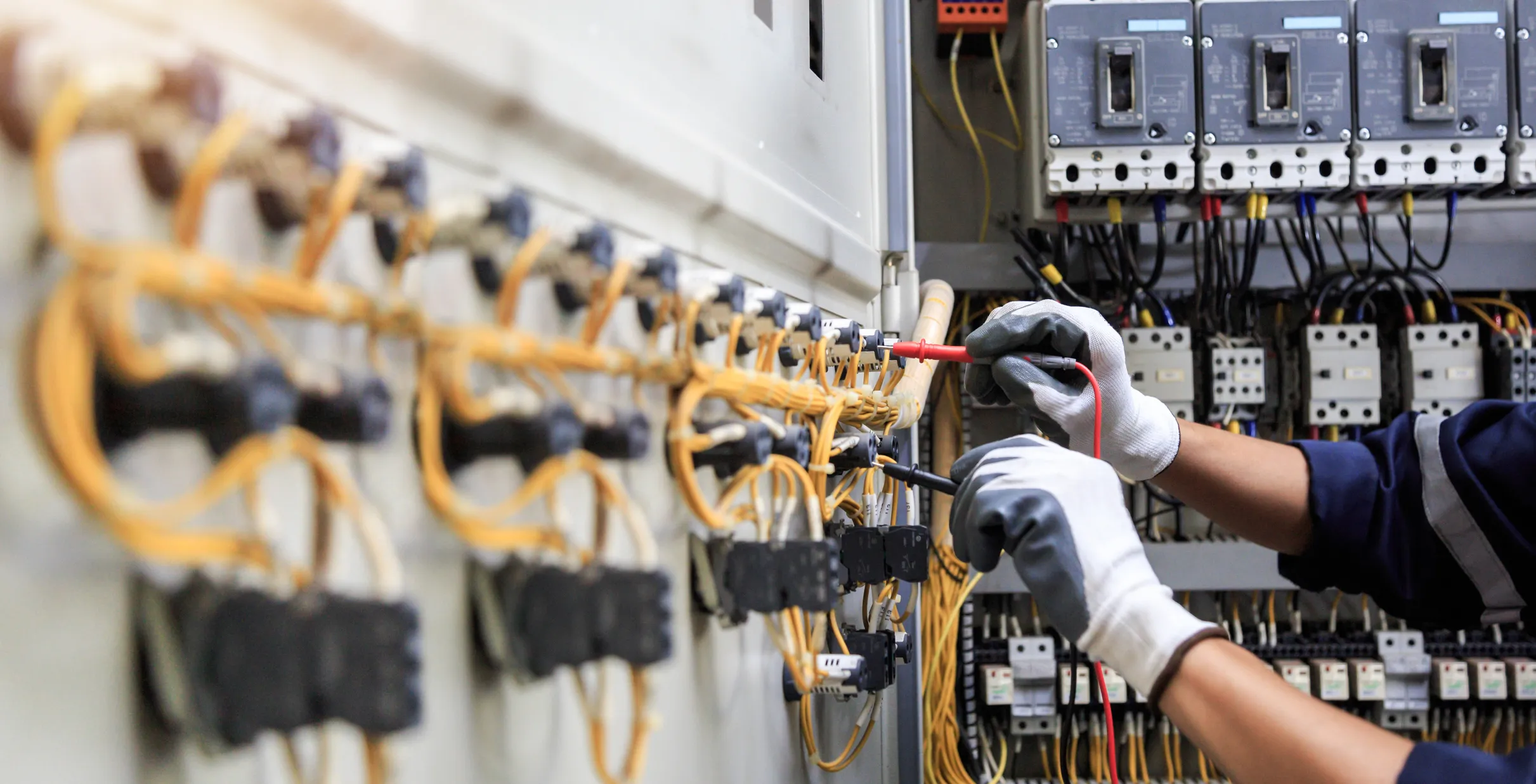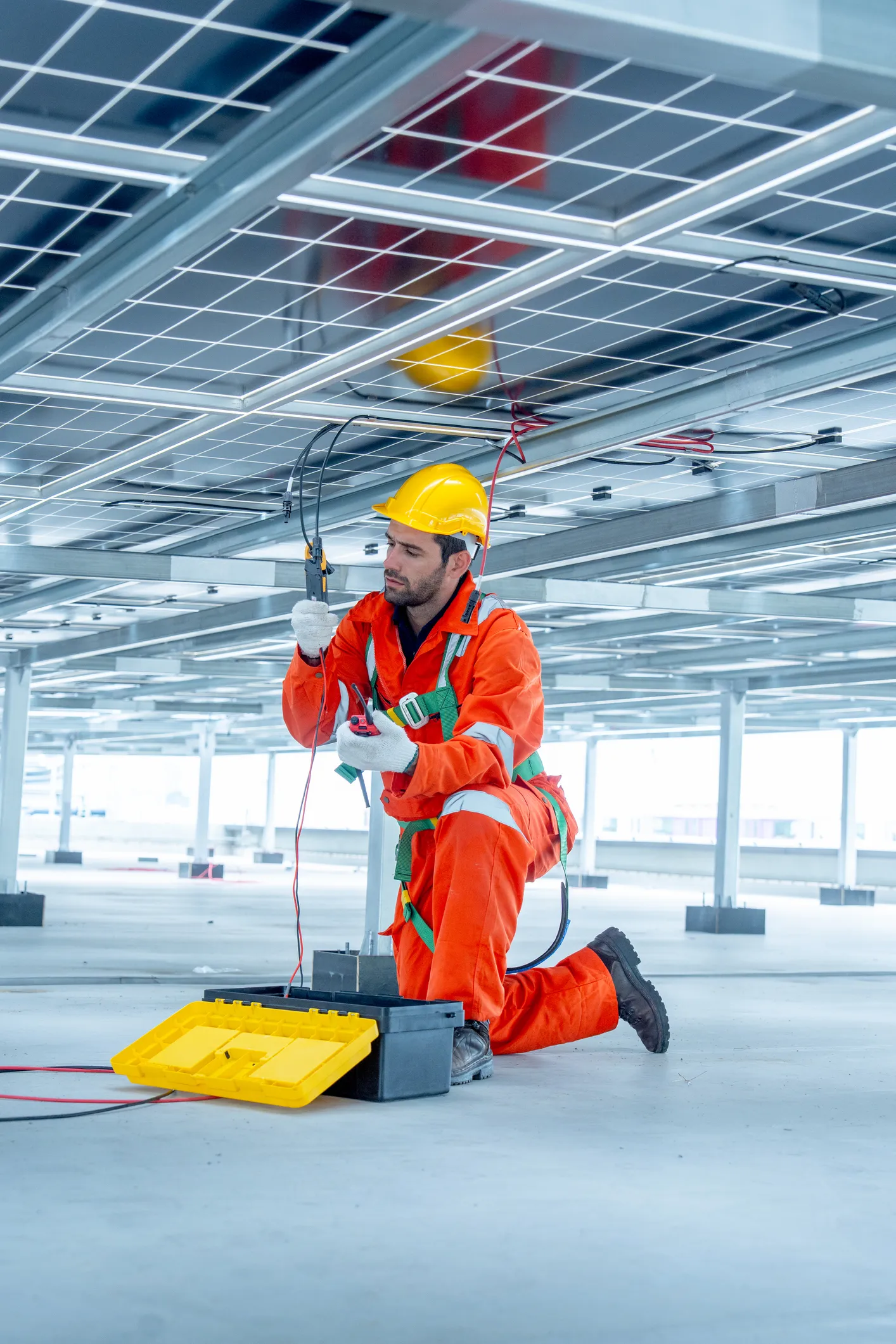
Year-round, proactive tax strategies that keep more profit in your electrical contracting business.
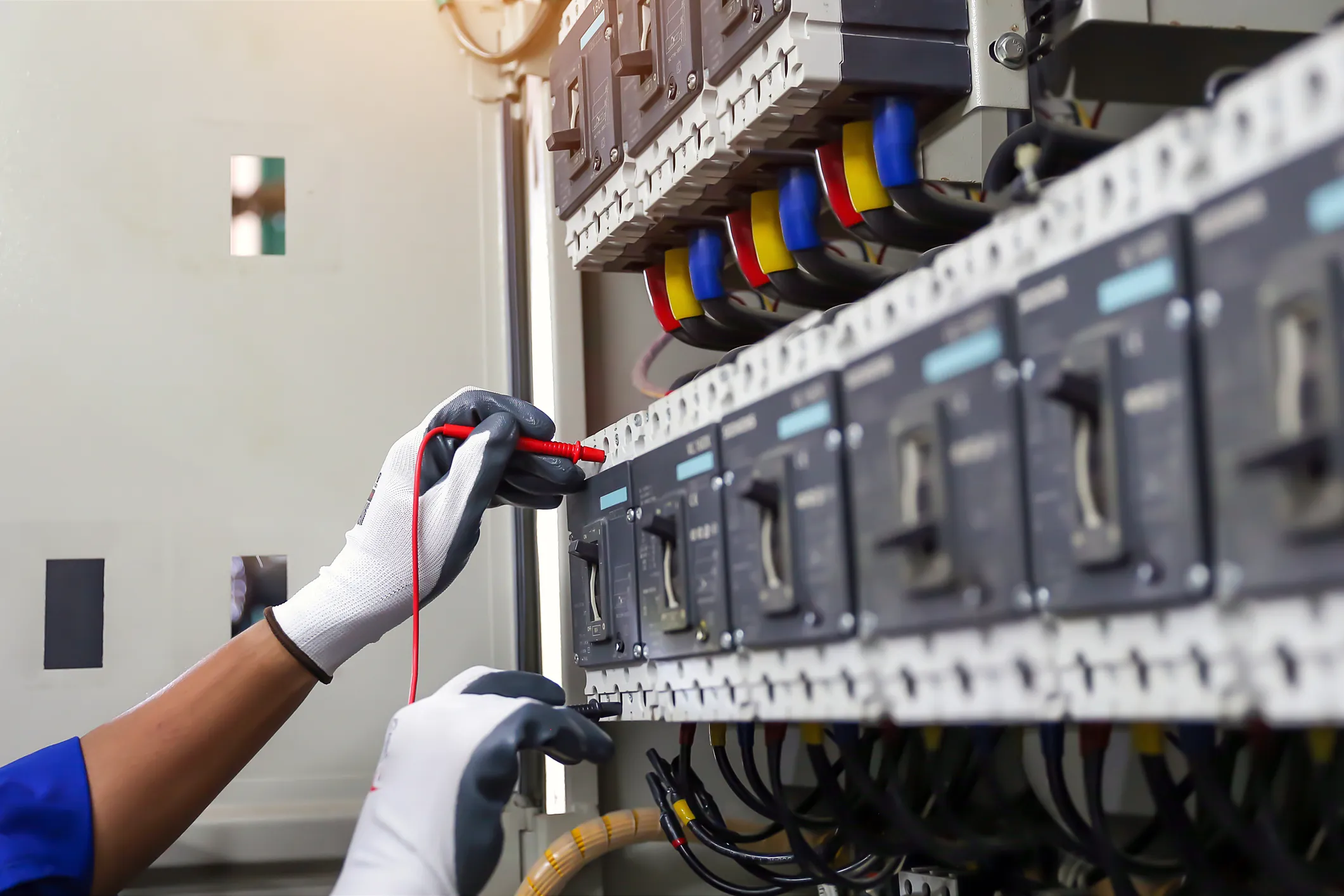
Our comprehensive guidance and tax strategies will help you scale your business while minimizing your contributions to the government.
Get a Second Opinion!
Book a no-cost tax strategy call where we'll analyze your tax return & accounting to find opportunities to reduce taxes.



Harness the power of a comprehensive financial assessment to develop a tailored plan that maximizes your business's potential for growth, profitability, and long-term success. Take control of your financial future today.
Built for the trade. Priced for answers.

We plan before year-end, while the number can still change. Most shops we meet were leaving money on the table.
Your books close every month, coded to the right job. You see real margin, not a guess.
Bookkeeper, CPA, and CFO in one seat. Nothing falls between a preparer and a bookkeeper.
AI speeds up the bookkeeping. A licensed CPA makes the calls, signs your return, and can stand in front of the IRS.
Call or text, get an answer that fits your shop. We already know your numbers.
We serve one trade in two states. Job costing, retainage, and bonding are our whole day.
Experience the power of proactive tax leadership and guidance, as we analyze your unique financial situation and implement strategies to minimize your tax burden. Achieve reduced taxes and excellent financial performance for your business.
As tax strategists who work only with electrical contractors, we help you time equipment purchases, structure your entity and plan for growth - turning the gear and vehicles you already buy into real, year-round tax savings.
You run the crews. We run the books, the job costs, and the tax plan.


Built exclusively for electrical contractors in NC and SC, our tax, accounting, bookkeeping and job costing all work together in one engagement — so your books stay clean, your taxes stay low, and nothing falls through the cracks.
Division 26 CPA works exclusively with electrical contractors in North and South Carolina. We build year-round tax strategies around how your trade earns - so you keep more of every commercial, industrial, residential and service & repair job.
Strategy without current books is guesswork. Because we keep your weekly books and job costing current, every recommendation - salary, depreciation, estimates - is based on what your business is actually doing this year, not last year's return.
Electrical work is deduction-heavy when someone is paying attention all year. We coordinate Section 179 and bonus depreciation, S-corp salary and reasonable compensation, retirement plans and quarterly estimates - handled before year end, not after.
A strong return is the result of a plan you ran all year - not a deadline you raced to beat.
When you are ready to grow, that same plan tells you what a new crew, a bigger contract or financed equipment really costs - and how to pay for it.
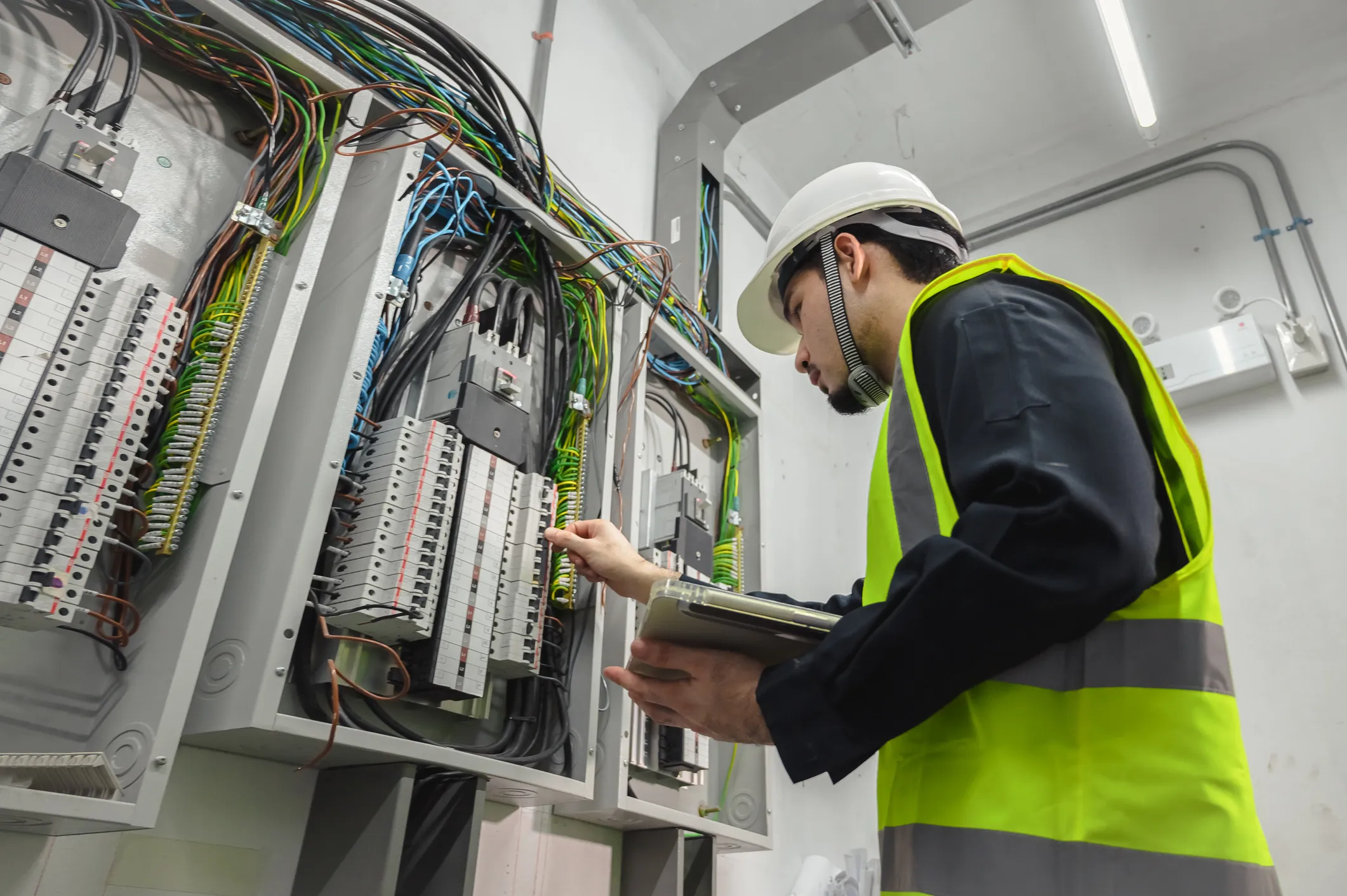
v2.svg)
Don't let taxes eat your margin. Book a call and get a plan built for your shop.
We review your numbers through the year and adjust estimates before they become a problem, so your tax bill is something you plan for - not something that ambushes you at filing time.
As your revenue grows, the right structure changes. We model S-corp election, reasonable compensation and owner distributions so your structure keeps pace with the business instead of holding it back.
Once the tax basics are handled, planning turns into growth. Paired with our fractional CFO services, your tax strategy becomes part of a bigger plan - backlog, cash and the confidence to bond and bid larger work.
We don't just file your taxes; we help you build a more valuable business.
Division 26 CPA delivers proactive tax planning for electrical contractors across the Carolinas - keeping you compliant, current and never overpaying.
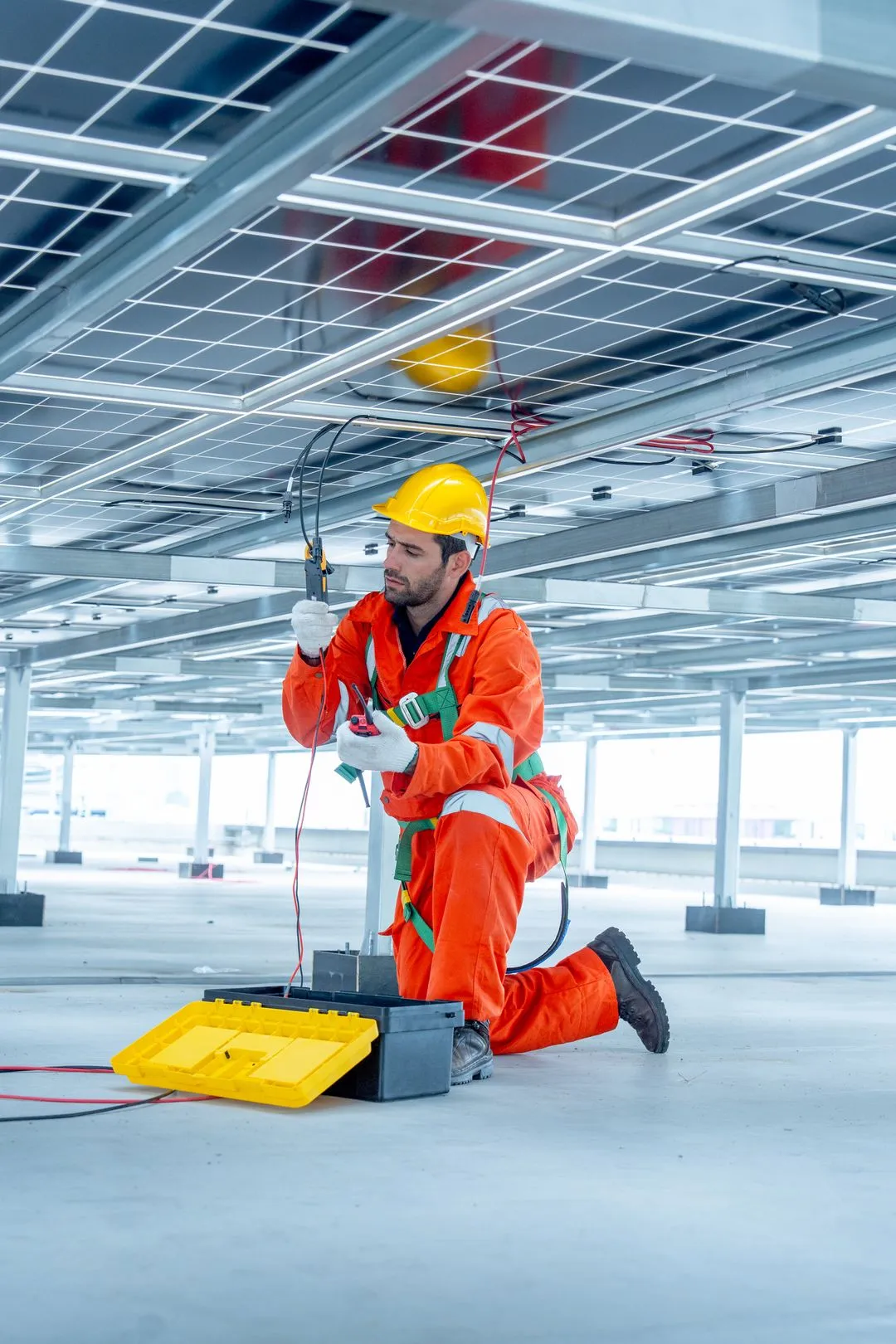
We love this work. Electricians build the Carolinas. We keep them paid and ready to bid.

Division 26 CPA gives electrical contractors one integrated system - weekly books, WIP and job costing, and year-round tax strategy that all work together - instead of a bookkeeper here and a tax preparer there.
Tax planning runs through our packages - from a solid foundation in Apprentice, to job-cost-driven planning in Journeyman, to full CFO-level strategy and a weekly scorecard in Foreman.
Because we work only with electrical contractors, our strategies fit your trade - whether you run commercial, industrial, residential or service & repair work.
We plan taxes for electrical contractors throughout Charlotte, Raleigh-Durham, Greensboro, Winston-Salem, Wilmington, Greenville SC and Charleston. See our packages and pricing, read our reviews, and book a consultation when you are ready.
One call before you bid, hire, or buy. We know your numbers cold, because we work them every week.

Looking for answers to common accounting, bookkeeping, and tax questions? Browse our frequently asked questions to find the information you need.
Starting an electrical contracting business takes more than trade skills - you need a license, an entity, insurance and clean books from day one. In North Carolina, electrical contractors are licensed by the NC State Board of Examiners of Electrical Contractors; in South Carolina, commercial work runs through the SC Contractors Licensing Board. Confirm the license class that matches the size of jobs you plan to bid. Most electricians should form an LLC rather than operate as a sole proprietor - it protects personal assets if a job goes wrong. Get an EIN from the IRS, open a dedicated business bank account, and keep personal and business spending separate. Plan for general liability insurance, workers comp once you hire, and bonding if you bid public or larger commercial work. Finally, set up bookkeeping with job costing from day one - knowing your true cost per job separates profitable shops from busy-but-broke ones. Division 26 CPA helps new electrical contractors across the Carolinas get this right the first time.
Yes - financial forecasting and budgeting are core parts of our fractional CFO service for electrical contractors. We analyze your job-level performance, build a forecast around your pipeline and crew capacity, and set budgets for materials, labor and overhead. You get a weekly scorecard with the KPIs that matter - gross margin per job, unbilled work, and cash on hand - so you can price work with confidence and grow on purpose. Division 26 CPA provides this for electrical contractors across North and South Carolina.
There are a variety of factors you need to consider in order to know the best way to structure your business - your revenue, profit, payroll situation, liability exposure and growth plans all matter. For most profitable electrical contractors, an LLC taxed as an S-Corp is the strongest combination of liability protection and tax savings, but the right answer depends on your numbers.
Schedule a consultation and we can look at your situation and recommend the structure that fits.
If you're an employer, it's important to give certain tax forms to your freelancers or independent contractors.
The most common tax form needed is Form 1099, which provides a record of the total payment made to the contractor in a tax year.
You have to give Form 1099 to any contractor who made $600 or more during the tax year for work they did for your trade or business.
An outsourced accountant is a professional accountant or accounting firm that a company hires to complete various accounting tasks remotely.
Rather than employing an in-house accountant, the company hires the outsourced accountant to manage financial tasks including bookkeeping, job costing, tax preparation, and financial analysis.
This approach can save businesses both time and money by outsourcing tasks to an expert who can complete them at a lower cost while providing high-quality services.
Outsourcing accounting work also allows companies to concentrate on their primary business operations.
If your business is intricate and needs consistent financial management, it could be advantageous to hire a year-round CPA.
They can offer you continuous financial guidance and support and help you maintain precise financial records, while also preparing and submitting tax returns, and developing strategic plans for your business.
But if your business is relatively simple and you only require financial guidance once in a while, you may be able to work with a CPA as needed or outsource your accounting requirements to an accounting firm.
This alternative is generally more cost-effective than hiring a year-round CPA.
Start by matching coverage to the risks of electrical work. Most electrical contractors in NC and SC carry general liability (often 1M/2M for commercial bids), workers compensation once you have employees, commercial auto for trucks and vans, inland marine coverage for tools and equipment, and bonding when you bid public or larger commercial projects. An independent agent who works with trade contractors can quote multiple carriers. Keep certificates current - GCs and sureties will ask for them - and review your limits yearly as your contract sizes grow.
Have a question we didn't cover? Book a call and ask us direct.
We use cookies and advertising pixels — Google Analytics, Google Ads, Meta (Facebook) and Apollo — to measure traffic and show our ads. See our Privacy Policy.