
A Q4 2026 year-end tax-planning checklist for NC & SC electrical contractors: Section 179, 100% bonus depreciation, retirement plans, S-corp salary, income timing, and estimated taxes.
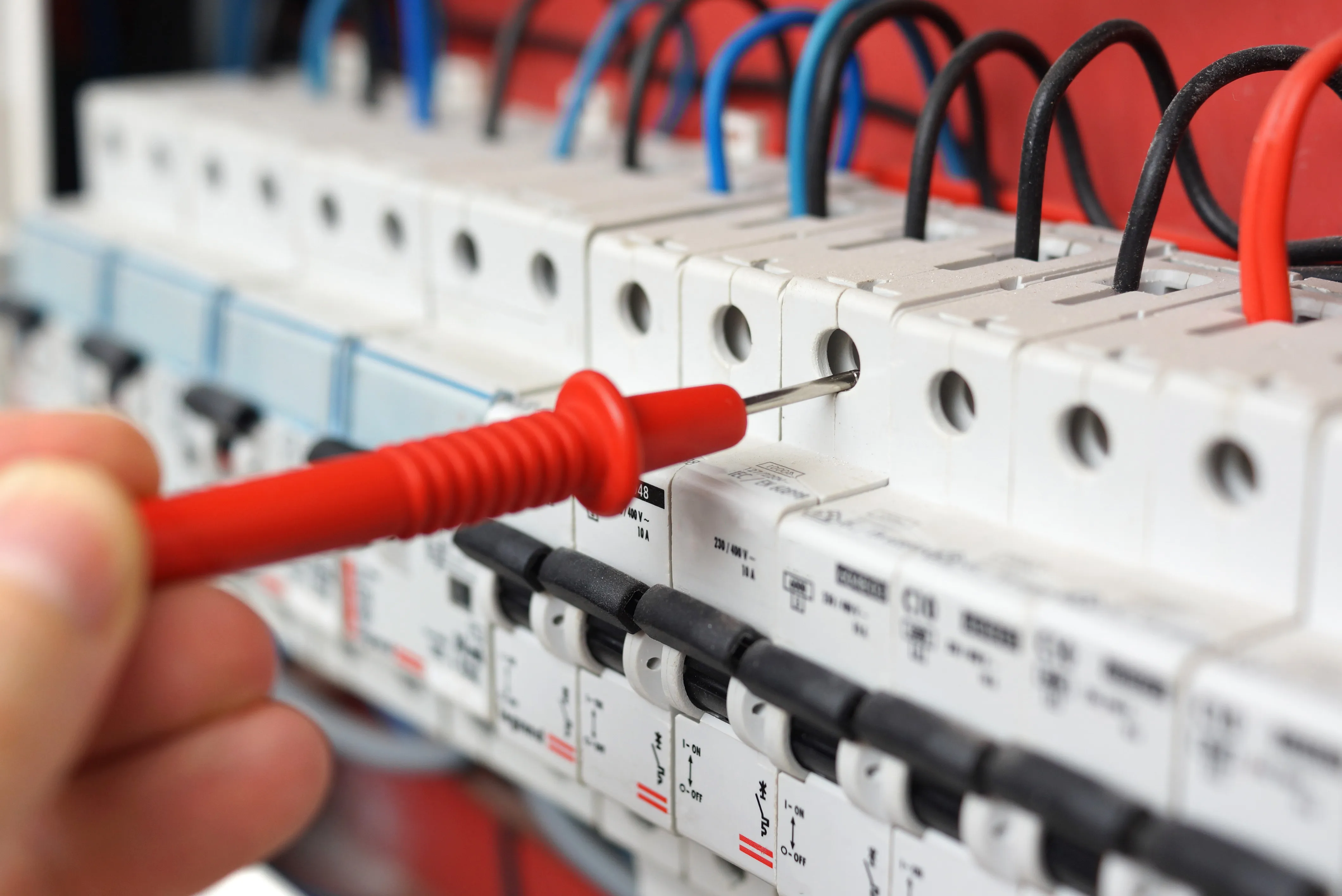
By the time you file in the spring, most tax-saving moves are already off the table. The last quarter of the year is when electrical contractors in North Carolina and South Carolina still have moves to make — buying equipment, timing income and retainage, funding retirement, and checking your S-corp setup — that can swing your 2026 tax bill by five figures. Here are the moves that matter most before December 31, 2026.
None of this replaces a talk with your CPA, but it tells you which questions to ask and which deadlines are hard stops.
If you've been putting off a new bucket truck, service van, trailer, or a batch of tools and test gear, the timing of that purchase is a tax decision. Two rules let you write off the cost the year the asset is put to work instead of spreading it over years:
The key phrase is “placed in service.” The asset has to be ready and in use in your business by December 31 — not just ordered or paid for. A van that's delivered and on the road December 30 counts for 2026; the same van sitting on the dealer lot until January does not.
Heavy work vehicles rated over 6,000 lbs (many cargo and service vans, and larger trucks) usually dodge the stricter car limits, which is why they're such a common year-end buy for electrical contractors. Keep the paperwork and log your business use.
One catch: a write-off only helps if you have profit to cover it, and Section 179 can't push your business into a loss. Don't buy gear you don't need just for the deduction — run it past your CPA against your real 2026 numbers first.
Putting money into a retirement plan is one of the biggest deductions a profitable electrical contractor has, and it builds your own net worth instead of going to the IRS.
Which plan fits depends on whether you have W-2 employees and how your business is set up. Worth a quick call before year-end.
If you run as an S-corp, year-end is when you make sure your owner W-2 wages are reasonable and that payroll is run before the year closes. Getting the salary-vs-distribution split right is the heart of the S-corp tax savings, and it's hard to fix after December 31. Still deciding on structure? Start with our guide to S-Corp vs. LLC for electricians in NC & SC.
Most electrical contractors are on the cash method, which means you're taxed on what you actually collect and pay by December 31. That gives you two simple levers:
Retainage adds a wrinkle. Retainage is the 5–10% a customer holds back until a job is done, and on the cash method you're not taxed on it until you actually receive it. Knowing exactly what's still owed also protects your winter cash flow — see Retainage & Cash Flow for Electrical Contractors in NC & SC. Before you make any timing moves, make sure your books show true job profit; our job costing guide shows how.
The fourth-quarter federal estimated payment is due in mid-January 2027, and North Carolina and South Carolina each want their own. A strong year can leave you underpaid; topping up your Q4 payment — or hitting the safe-harbor amount based on last year's tax — keeps you clear of underpayment penalties. Not sure how much to hold back? Start with How Much Should an Electrician Set Aside for Taxes?
Year-end is a good time to make sure you've caught the ordinary deductions too — tools, safety gear, licensing and continuing education, phone and software, and the home-office and mileage records that back them up. Our running list of tax deductions every electrician should know about is a good final sweep.
Every one of these depends on your own numbers. At Division 26 CPA we work only with electrical contractors in the Carolinas, so we line these moves up against your real 2026 books before the year closes — not in April when it's too late. Book a tax strategy call and we'll map your specific situation to the NC and SC rules. The earlier in Q4, the more we can do.
This article is general information for electrical contractors in North Carolina and South Carolina, not tax advice for your situation, and 2026 figures can change — confirm your plan with your CPA before you act.


We use cookies and advertising pixels — Google Analytics, Google Ads, Meta (Facebook) and Apollo — to measure traffic and show our ads. See our Privacy Policy.


