
Do NC & SC electricians charge customers sales tax? It depends on capital improvement vs. repair (RMI). Here's how the labor-vs-materials rules really work — from Division 26 CPA.
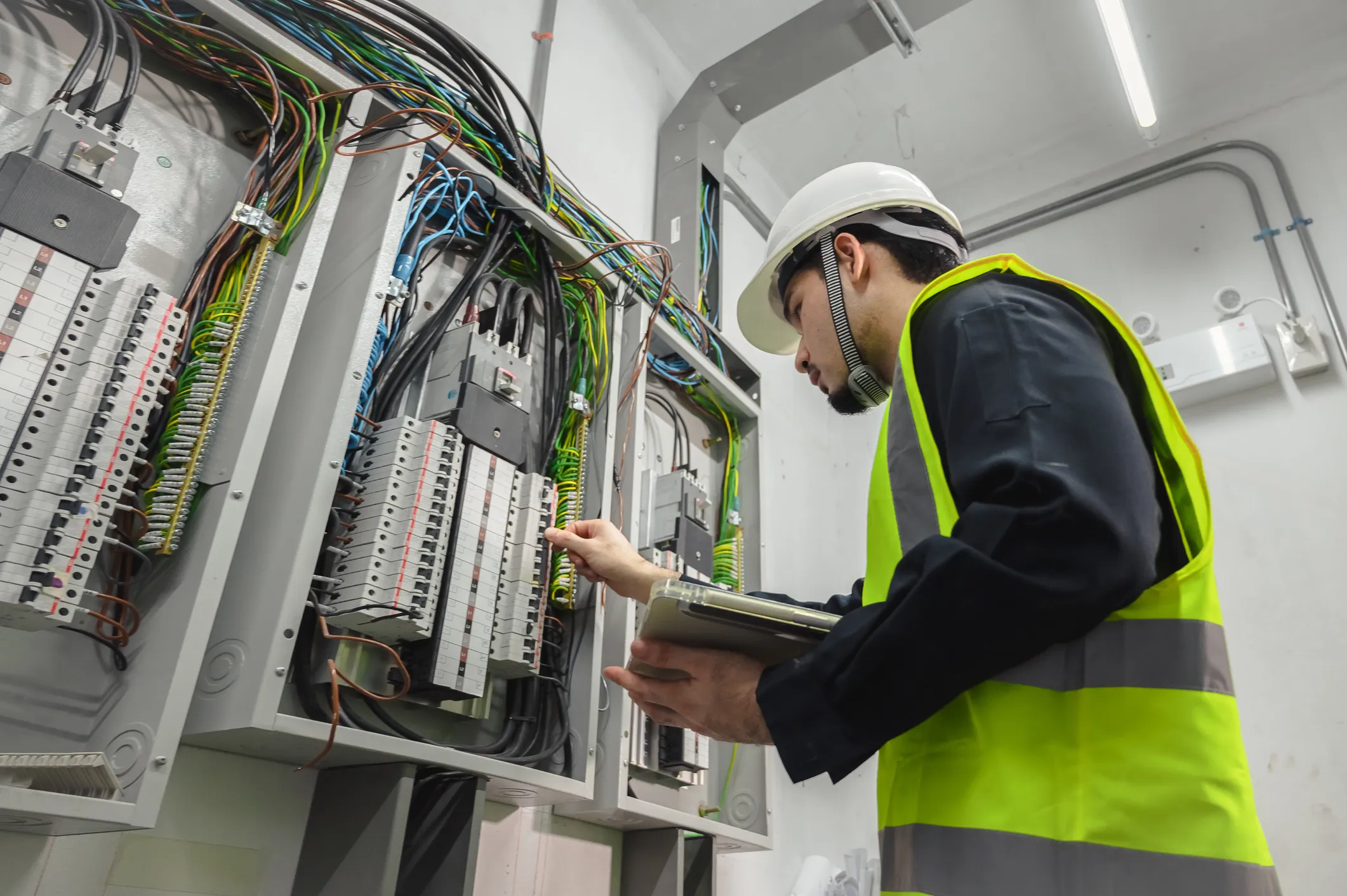
"Do I charge my customer sales tax, or not?" It sounds like it should have a one-word answer. For electrical contractors in North Carolina and South Carolina, it doesn't — and getting it wrong is one of the most expensive mistakes we see on audit. The same crew, on the same street, can run two jobs in one day that are taxed completely differently: a panel upgrade tied to a remodel, and a service call to replace a dead breaker. One is a real property contract. The other is a taxable repair service. Here's how to tell them apart before the Department of Revenue does it for you.
North Carolina splits your work into two buckets:
That second bucket surprises a lot of electricians. Since North Carolina extended sales tax to RMI services, the labor on a straight service call is taxable, even though the labor on a capital-improvement job is not. Same skill, same truck — different tax treatment.
When a job really is a capital improvement, you don't want to be on the hook for tax you never collected. That's what Form E-589CI, the Affidavit of Capital Improvement, is for. The customer or the general contractor certifies in writing that the project is a capital improvement, which lets you treat it as a real property contract instead of a taxable RMI service. Kept on file, a properly issued E-589CI shifts the liability off you if the classification is ever questioned.
One catch electricians miss: you should not issue an E-589CI for the repair or replacement of individual items — a water heater, gas logs, or a single electrical component — when that work isn't part of new construction or a remodel. NCDOR calls that out specifically. Use the affidavit for the remodel; charge tax on the service call.
South Carolina is more straightforward, but the trap is different. In SC, a construction contractor is the user and consumer of everything they buy. Your building materials — wire, gear, devices — are taxed when you purchase them, whether you're the GC or a sub. You don't turn around and charge the customer sales tax on materials you've already paid tax on.
Labor is generally fine: installation labor that's separately stated and reasonable on the invoice isn't subject to South Carolina sales tax, and receipts from services escape tax when the true object of the job is the service itself. The discipline SC rewards is clean invoicing — separate your labor, keep your material-purchase tax records, and don't double-tax the customer.
Most electrical shops don't lose money because they picked the wrong rule once. They lose it because their books can't tell the two kinds of work apart. If every job lands in one "sales" bucket, you can't prove which receipts were capital improvements and which were taxable service calls — so an auditor assumes the worse answer, and you pay tax, penalties, and interest on work that may never have been taxable at all. Our electrical contractor bookkeeping guide shows how to set that up.
The fix is boring and it works: code your jobs as capital-improvement vs. service at the point of invoicing, keep your E-589CIs with the job file, and reconcile the sales tax you collected against what you actually owe every month. That's a bookkeeping problem before it's a tax problem.
The rules above are the general framework — your exact mix of remodels, service work, and public projects determines how they apply, and the NCDOR detail on RMI and capital improvements runs deep. At Division 26 CPA we work only with electrical contractors in the Carolinas, so we set your books up to separate taxable service work from capital improvements automatically, keep your affidavits in order, and file it right. Book a tax strategy call and we'll map your specific service mix to the NC and SC rules.
This article is general information for electrical contractors in North Carolina and South Carolina, not tax advice for your specific situation. Sales-tax rules change and hinge on the facts of each job — confirm your treatment with your CPA before you invoice.


We use cookies and advertising pixels — Google Analytics, Google Ads, Meta (Facebook) and Apollo — to measure traffic and show our ads. See our Privacy Policy.


